
Is Your Hearing Protector Actually Right for Your Job Site? Find Out
Date Posted:28 September 2026
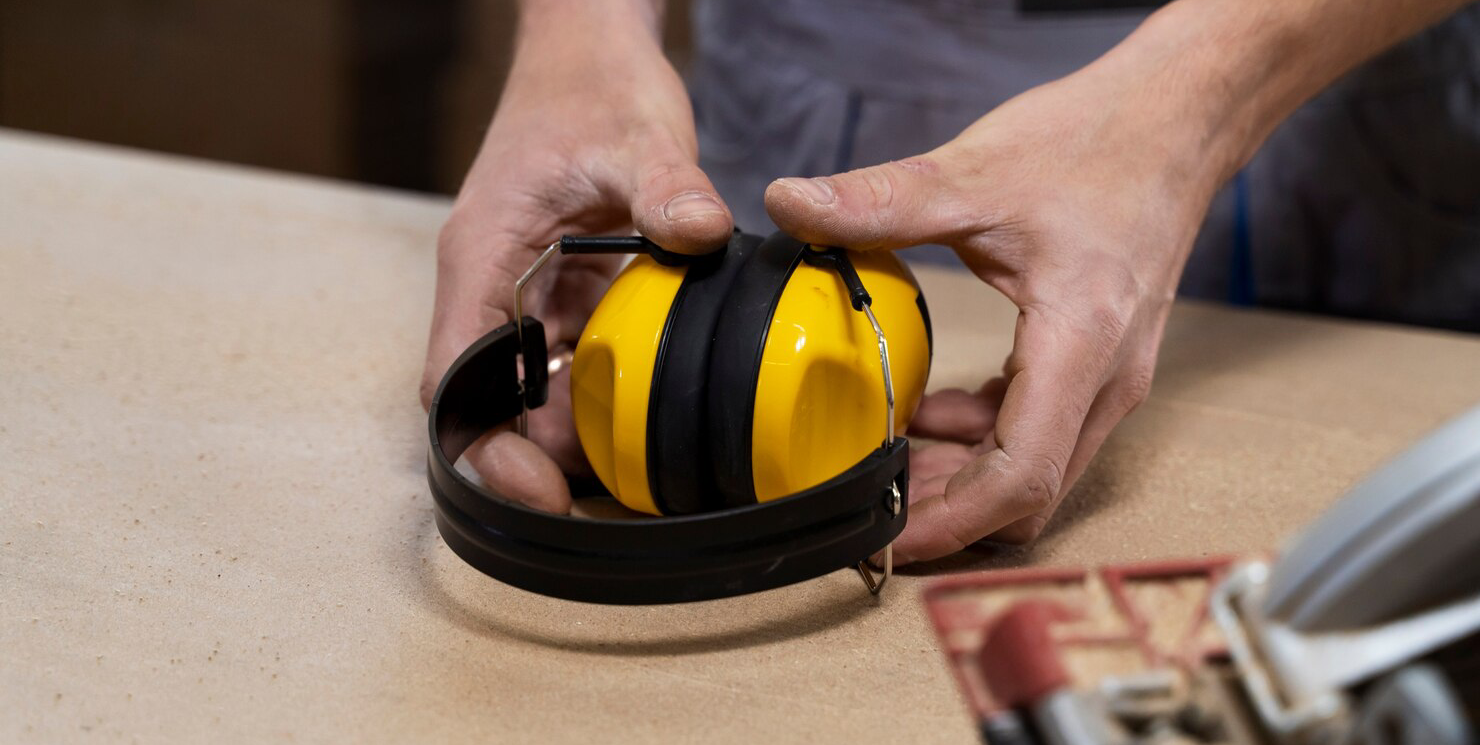
Choosing the correct hearing protector is not something to guess at. Different work environments produce different noise levels, frequencies and hazards, and the wrong choice can leave your hearing exposed even while you think you are covered. Whether you are running machinery, working on a construction site, or managing a busy warehouse floor, understanding how to match the right hearing protection devices to your environment makes a genuine difference to long-term hearing health.
This guide breaks down how to choose confidently, so your investment in safety product supplies actually does its job.
Why One Hearing Protector Does Not Suit Every Job
Noise exposure varies enormously between industries. A carpenter using power tools faces different risks than a forklift operator on a warehouse floor, and both differ from someone working near heavy industrial machinery all day.
Choosing hearing protection without considering the actual noise environment often leads to two common problems.
- Under protection, where workers remain exposed to harmful noise levels despite wearing something.
- Overprotection, in which communication and situational awareness are unnecessarily compromised.
Both outcomes are avoidable once you understand what your specific environment actually requires.
Understanding Noise Ratings Before You Buy
Every hearing protector carries a Sound Level Conversion (SLC80) rating, which indicates the amount of noise reduction it provides. Matching this rating to your workplace noise level is the single most important step in choosing correctly.
| Work Environment | Typical Noise Level | Recommended Protection Class |
|---|---|---|
| Office adjacent to light machinery | 80 to 85 dB | Class 1 or Class 2 |
| General construction sites | 85 to 95 dB | Class 3 or Class 4 |
| Heavy industrial or quarry work | 95 to 105 dB | Class 4 or Class 5 |
| Firearms, blasting or extreme impact noise | 105 dB and above | Class 5 |
If you are unsure of your actual noise exposure, it is always worth arranging a workplace noise assessment before selecting equipment.
Choosing Between Earplugs and Earmuffs
Both major categories of hearing protection devices have their place, and the right choice often comes down to the nature of the job rather than personal preference alone.
Earplugs are ideal when:
- Workers need to wear other head protection, such as hard hats.
- The job involves hot, humid conditions where earmuffs may cause discomfort.
- Tasks require frequent bending or movement, during which earmuffs could shift out of place.
Earmuffs are better suited when:
- Workers move in and out of noisy areas frequently, since earmuffs are quick to put on and remove.
- Hygiene is a concern, as earmuffs do not sit inside the ear canal.
- • Extra durability is needed for rugged outdoor or industrial settings.
Some environments call for both together, known as dual protection, particularly where noise levels exceed 105 dB.
Matching Protection to Specific Industries
Different sectors face distinctly different noise hazards, & the right hearing protector reflects that.
- Construction and trades. Power tools, generators, and heavy equipment require reliable Class 4 or Class 5 protection that withstands dust and moisture.
- Agriculture. Tractors, machinery, and grain-handling equipment often produce sustained noise over long shifts, making comfort just as important as noise reduction.
- Warehousing and logistics. Forklifts and packing machinery typically fall into moderate noise categories, where earplugs offer practical, low-fatigue protection.
Comfort and Fit Matter as Much as Rating
Things worth checking include:
- Whether earplugs expand fully to seal the ear canal without irritating it.
- Whether earmuffs create a full seal around the ear without gaps caused by safety glasses or hard hat straps.
- Whether protection remains comfortable across an entire shift, not just the first hour.
Choose Reliable Protection for Every Shift with Combined Safety Solutions
Selecting the right hearing protection is not a box-ticking exercise. It is a genuine safeguard for long-term hearing health across every industry that deals with workplace noise. Combined Safety Solutions supplies a wide range of quality-tested safety product supplies, including hearing protection devices suited to construction, industrial, agricultural, and warehouse environments. With a focus on premium brands, dependable delivery and genuine value, we help workplaces select the right hearing protector for the job at hand, rather than buying a generic, one-size-fits-all product. Talk to our experts, and they will recommend the best-suited product that actually serves the purpose.
Frequently Asked Questions
How do I know what noise rating my hearing protector needs?
A workplace noise assessment will identify your actual decibel exposure & direction, which can then be matched against SLC80 ratings to find suitable protection.
Can I wear earplugs and earmuffs together?
Yes, dual protection is common in extremely loud environments exceeding 105 dB & provides additional noise reduction where a single option is insufficient.
How often should hearing protection be replaced?
Earplugs are generally single-use or short-term, while earmuffs should be inspected regularly for worn seals, cracked cushions or reduced clamping force.
Does hearing protection affect communication on-site?
Some hearing protection devices are designed with communication features or lower attenuation in specific frequencies, allowing speech to remain audible while blocking harmful noise.
Is hearing protection required by law on Australian work sites?
Employers have obligations under work health & safety regulations to provide suitable hearing protection wherever noise exposure exceeds safe levels.